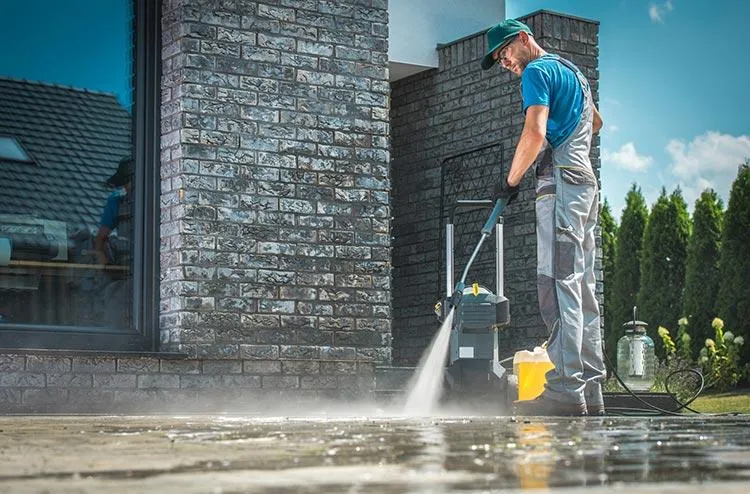
Pressure, Soft, and Power Washing, what's the difference?
Pressure Washing vs Soft Washing vs Power Washing: What’s the Difference?
If you’ve ever searched for exterior cleaning services in Whatcom County, you’ve probably seen all three of these terms used interchangeably:
Pressure Washing
Power Washing
Soft Washing
They sound similar — but they are not the same thing, and choosing the wrong method can cause serious (and expensive) damage to your home.
Let’s break it down in plain English so you can make the right decision for your property.
What Is Pressure Washing?
Pressure washing uses high-pressure water to blast dirt, grime, mold, and buildup off hard surfaces.
Best for:
Concrete driveways
Sidewalks
Patios
Pavers
Some decks (with care)
NOT ideal for:
Roofs (especially asphalt shingles)
Siding
Painted surfaces
Delicate materials
⚠️ Important:
Pressure washing relies on force, not chemicals. Used incorrectly, it can:
Etch concrete
Strip paint
Force water behind siding
Damage roofing materials
At INEX, pressure washing is used only where the surface can safely handle it.
What Is Power Washing?
Here’s the truth most companies won’t tell you 👇
👉 Power washing is essentially pressure washing with heated water.
The added heat helps break down:
Grease
Oil
Heavy grime
Best for:
Commercial concrete
Greasy driveways
Industrial surfaces
Rarely needed for homes:
In residential settings, power washing is often unnecessary and increases the risk of damage if misused.
For most homeowners, pressure washing or soft washing is the better option.
What Is Soft Washing? (The Safest Option for Homes)
Soft washing uses:
Low water pressure
Specialized cleaning solutions
Dwell time to break down organic growth
Instead of blasting growth off, soft washing:
Kills moss, algae, mold, and lichen at the root
Prevents regrowth
Protects delicate surfaces
Best for:
Roofs (especially asphalt shingles)
House siding
Stucco
Painted surfaces
Fences
Delicate exterior materials
👉 This is the method INEX uses for roof cleaning and most home exteriors.
🚫 Why Pressure Washing Roofs Is a Huge Mistake
This is one of the most common problems we hear from new customers.
Pressure washing an asphalt roof:
Strips protective granules
Shortens roof lifespan
Can void manufacturer warranties
Causes damage that isn’t always visible right away
INEX does NOT pressure wash asphalt roofs. Ever.
The only exceptions:
Certain metal or tile roofs
Only when the material can safely handle pressure
And only when absolutely necessary
Why Soft Washing Is Better for Moss & Algae in Whatcom County
With our wet climate, tree coverage, and limited sun exposure, organic growth is inevitable.
Soft washing:
Treats the root cause (not just surface appearance)
Keeps roofs cleaner longer
Reduces long-term damage
Works perfectly for preventative maintenance
That’s why many INEX customers move to 1–2 soft wash treatments per year, depending on their roof’s exposure.
How INEX Chooses the Right Method
We don’t show up with a one-size-fits-all approach.
Every job starts with:
Surface evaluation
Material type assessment
Growth severity check
Safety-first decision making
Our rule is simple:
Use the least aggressive method that gets the best long-term result.
That protects your home, your roof, and your investment.
Still Not Sure What Your Home Needs?
You don’t need to know the difference — that’s our job.
If you’re wondering:
What method is safest for your roof
Whether moss removal is urgent
Or how to prevent future growth
📱 Text or call INEX Property Services - 1.360.217.0708
We’ll walk you through your options with zero pressure and honest advice.


